
When families begin exploring memory care in Gulf Shores, one concern tends to come up before almost anything else: what happens if my loved one falls and no one is there?
It’s not an irrational fear. Falls are common among individuals living with dementia and can lead to injury, hospitalization, and a rapid change in care needs. What makes them especially hard to sit with is that many falls go unwitnessed.
Today, memory care communities are responding with new tools that improve awareness and response time. At Haven Memory Care in Gulf Shores, advanced fall detection technology is already changing how teams respond, and the results have been measurable.
At a Glance
- Dementia increases fall risk due to changes in balance, awareness, and judgment.
- Many falls in memory care settings are unwitnessed. Traditional fall response relies heavily on staff observation and call systems.
- AI-supported fall detection provides faster alerts and clearer assessment.
- During a recent pilot program, Haven Memory Care achieved:
- 1.07-minute median response time
- 4% ER send-out rate (compared to 17–20% industry average)
- 100% fall video review rate
- 45% reduction in residents experiencing falls from month one to month two
Why Dementia Increases Fall Risk
If you’ve watched a loved one living with dementia navigate their day, you’ve probably noticed moments that made your heart catch. A hesitation before standing, forgetting the walker is right there, or misjudging the distance to a chair.
These aren’t careless moments. They’re the result of real cognitive and physical changes. Dementia affects depth perception, spatial awareness, and decision-making. Muscle weakness, slower reaction time, and the dizzying side effects of certain medications add to the picture.
That’s why dementia fall risk is higher than in the general senior population, and why fall prevention is a daily priority in safe memory care communities.
The Hidden Risk: Unwitnessed and Silent Falls
Here’s something families often don’t know until after a difficult incident: most falls in memory care happen when no one is watching.
During Haven Memory Care’s recent pilot program with SafelyYou, 81.4% of detected falls were unwitnessed. That means the majority of incidents happened in private rooms, without a staff member present.
Even harder to detect are what clinicians call “silent falls.” These are true falls where a resident recovers independently and does not report what happened. In communities without advanced detection, these events can later appear as injuries of unknown origin.
Without visibility into what occurred, it becomes harder to:
- Adjust care plans
- Identify patterns
- Reduce repeat incidents
- Provide clear answers to families
Technology is helping close that gap.
How Traditional Fall Response Works
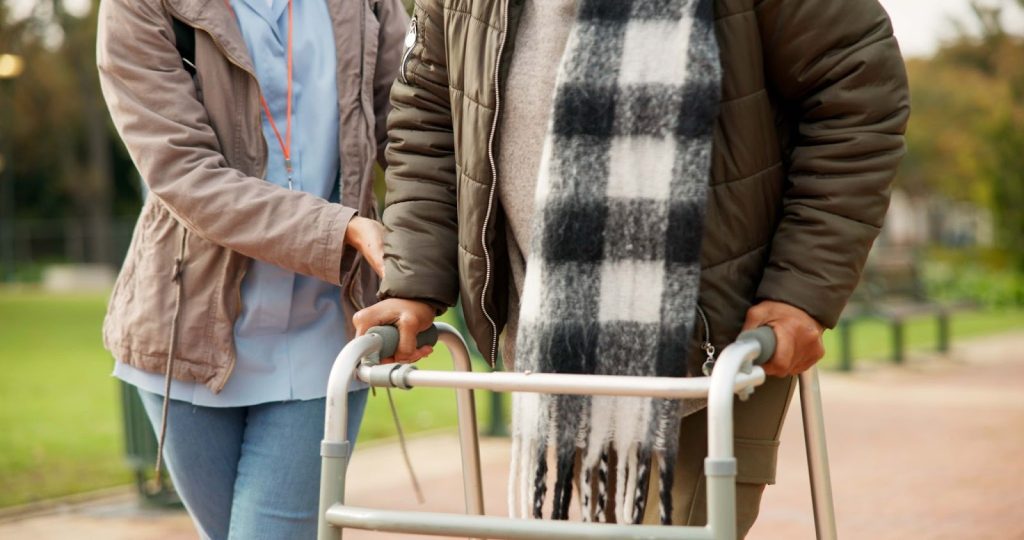
Most memory care communities do everything they can with the tools they have. Care teams perform routine checks, respond to call buttons, and rely on bed or motion alarms. These are thoughtful, well-intentioned systems.
But no team can be in every room at every moment. A resident may fall in a private space before an alarm triggers or a check-in arrives. Even a short delay can mean more time on the floor, more distress, and a harder recovery.
That gap is real, and many safe memory care communities are working to close it through technology.
The Role of Memory Care Technology in Safety
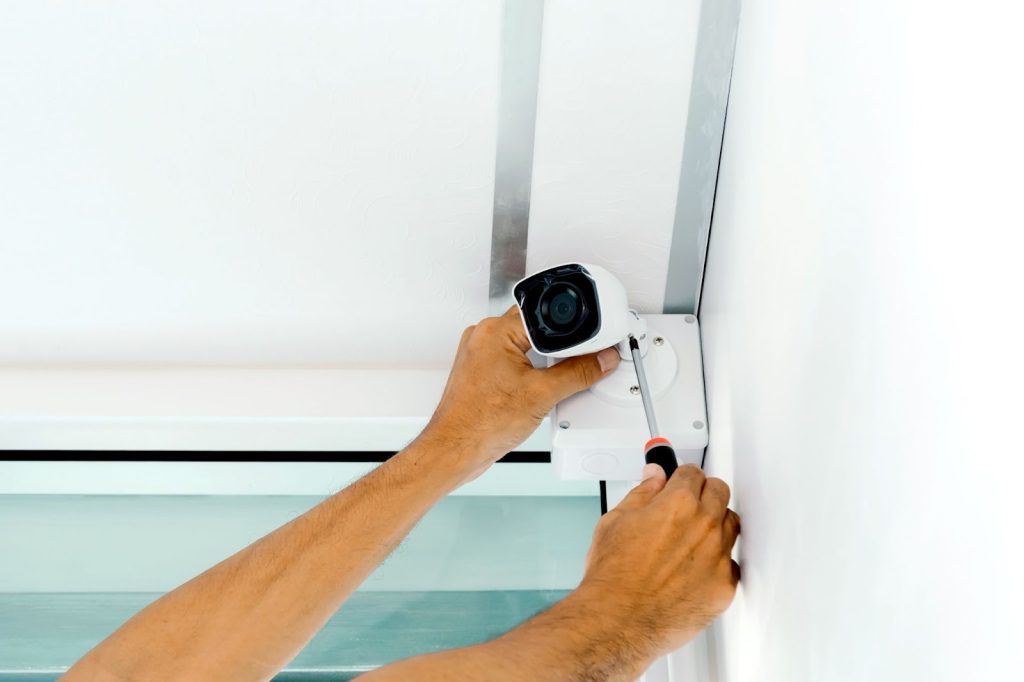
Modern fall detection in memory care uses AI-supported video technology to recognize movement patterns consistent with a fall. Video systems from SafelyYou analyze motion in real time and send alerts when a fall occurs.
At Haven Memory Care, the SafelyYou system:
- Detects on-the-ground events in real time
- Sends immediate alerts to on-site care staff
- Provides a short video clip for clinical review
During the pilot period, Haven achieved a median response time of just 1.07 minutes.
For comparison, research cited in the pilot review indicates the broader industry average can approach 40 minutes for fall discovery.
That difference can significantly affect outcomes.
Why Faster Response Makes a Difference
Time on the floor matters. Longer delays increase the risk of pain and distress, dehydration, pressure injuries, and hospitalization. A faster response helps reduce these risks. It also helps residents feel more secure, which can improve confidence when walking and performing daily activities.
Quick response times have practical outcomes: During Haven’s pilot, only 4% of fall events resulted in an ER visit, compared to an industry average of approximately 17–20%.
Video review can also show how a fall happened. Clinical teams can use video evidence to determine:
- Whether EMS is necessary
- The severity of impact
- Environmental factors that contributed, such as tripping hazards, transfer difficulties, or footwear issues.
That insight supports updates to care plans and prevention strategies.
From Detection to Prevention: The Fall Huddle Process
Technology alone does not improve care. What happens after detection is what drives progress.
At Haven Memory Care, staff and clinical partners held 14 fall huddle sessions with 100% attendance during the pilot period. These collaborative reviews helped teams:
- Identify root causes
- Adjust room layouts
- Improve mobility aid placement
- Address behavioral patterns
- Update individualized care plans
Over time, this structured, collaborative approach contributed to a 45% reduction in the number of residents experiencing falls from their first 30 days to their second 30 days in the program.
That kind of result doesn’t come from installing a camera. It comes from a team that actually uses what it learns.
Addressing Privacy in Memory Care Technology
When families hear “AI video,” privacy concerns are understandable.
The system used at Haven Memory Care was designed with privacy safeguards in place:
- No audio recording
- No live streaming
- Only fall-related clips are saved
- Non-fall footage is automatically deleted
- Participation is fully consent-based
The goal isn’t surveillance but purposeful monitoring during moments of vulnerability. This creates what many families describe as an added layer of reassurance without compromising dignity.
How Technology Supports Caregivers
Technology does not replace caregivers. It supports them.
With immediate alerts and clear clinical insight, staff spend less time searching and more time responding. They can focus on comfort, assessment, and communication with families.
Video review also allows care teams to:
- Validate appropriate response
- Recognize compassionate care
- Communicate clearly with families
- Confirm whether higher levels of care are necessary
During the pilot, 100% of detected fall videos were reviewed, demonstrating strong staff adoption and consistent use as an assessment tool.
What This Means for Families in Gulf Shores and Baldwin County
Families searching for memory care in Gulf Shores often want to know the same things: How quickly will someone respond? What happens if a fall goes unwitnessed? Will we actually be told what happened, clearly and promptly?
Those are fair questions, and they deserve real answers.
The pilot outcomes at Haven Memory Care offer exactly that. By pairing compassionate caregivers with advanced fall detection and structured clinical review, Haven is working to reduce risk, improve response, and give families the clarity they need when it matters most.
FAQs About Memory Care Fall Safety
How accurate is fall detection technology?
AI-based fall detection systems are designed to recognize on-the-ground movement patterns consistent with a fall. During Haven’s SafelyYou pilot program, all detected fall events were reviewed by staff, demonstrating consistent usage and validation.
Technology continues to improve over time, and its value lies in providing faster awareness, not replacing clinical judgment.
Do residents need to wear a device?
The SafelyYou system used at Haven Memory Care is camera-based and does not require residents to wear pendants or manually activate alerts. This allows protection to operate automatically in the background, especially helpful for individuals who may forget to use wearable devices.
Does fall detection replace staff checks?
No. Fall detection adds another layer of awareness. Routine observation, caregiver presence, and individualized care planning remain central to memory care safety.
A Smarter Approach to Memory Care Safety in Gulf Shores
Falls are a common concern in memory care, particularly for individuals living with dementia. The difference lies in how communities respond.
At Haven Memory Care in Gulf Shores, advanced fall detection technology is paired with clinical collaboration, structured review, and a culture of safety. The result is faster response, clearer assessment, and measurable improvements in fall-related outcomes.
___________________________________________________________________________________
Haven Memory Care in Gulf Shores, AL: Where Compassionate Care Meets Smarter Safety
Choosing memory care means trusting others with someone you love. At Haven Memory Care, our team combines skilled caregivers with advanced fall detection technology to provide faster response, stronger communication, and proactive safety planning.
We invite you to visit our Gulf Shores community, meet our team, and see firsthand how we support residents and families every day. Contact us today to schedule a tour and learn more about how we can support your family.