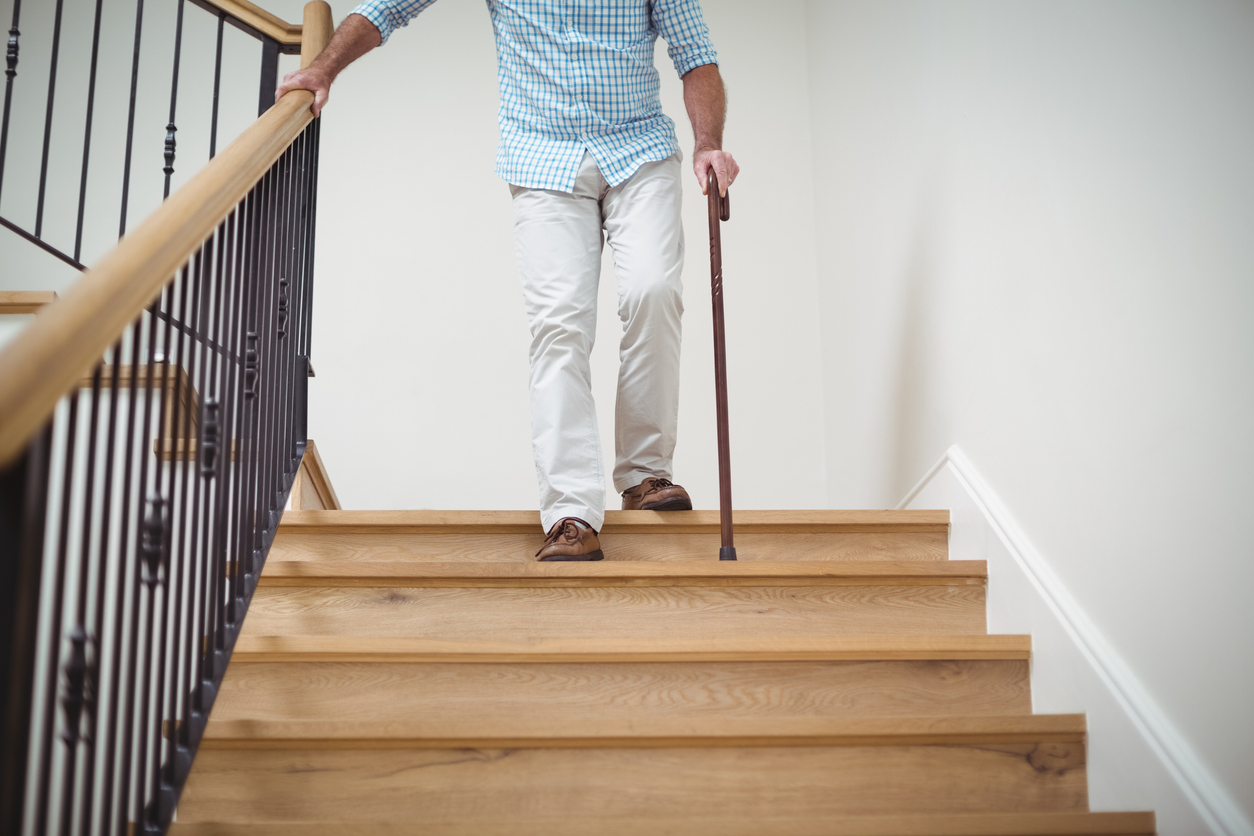
For many families, the thought of a loved one falling is one of the greatest fears of aging. Falls are sudden, frightening, and often life-changing. They can mean broken bones, hospital stays, or the quiet loss of confidence that keeps older adults from living fully.
That’s why Fall Prevention Month is an important opportunity to pause and ask: Where is the safest place for a loved one to live, at home or in a senior living community?
Key Takeaways
- Falls are common and serious: One in four adults over 65 falls each year, and many of these incidents lead to injury or reduced independence.
- Home environments carry hidden risks: Stairs, poor lighting, clutter, and limited access to help make preventing falls at home difficult, even with modifications.
- Senior living communities are safer by design: Built-in safety features, community wellness programs, and 24/7 staff support significantly reduce the risk of falling.
- Peace of mind matters: Senior living offers both safety and confidence, allowing older adults to stay active while families worry less.
Bottom Line: Senior living communities provide a safer, more supportive environment than most private homes, especially for older adults at higher risk of falls.
Understanding Why Seniors Fall
One in four adults over 65 falls each year, and falls remain the leading cause of injury among older people. But behind the statistics are real people—parents, grandparents, siblings—whose independence and quality of life may be shaken in a moment.
Falls in older adults don’t usually happen out of nowhere. They tend to build from a mix of changes in health and environment.
Common triggers include:
- Reduced balance, muscle strength, or mobility
- Vision changes or difficulty adjusting to lighting
- Side effects of medications that cause dizziness or drowsiness
- Chronic health conditions like arthritis or diabetes
- Homes that were never designed with aging in mind
And then there’s the emotional factor: the fear of falling. After even one fall, many older adults begin limiting activity, which leads to weaker muscles, less stability, and a high risk of falling again.
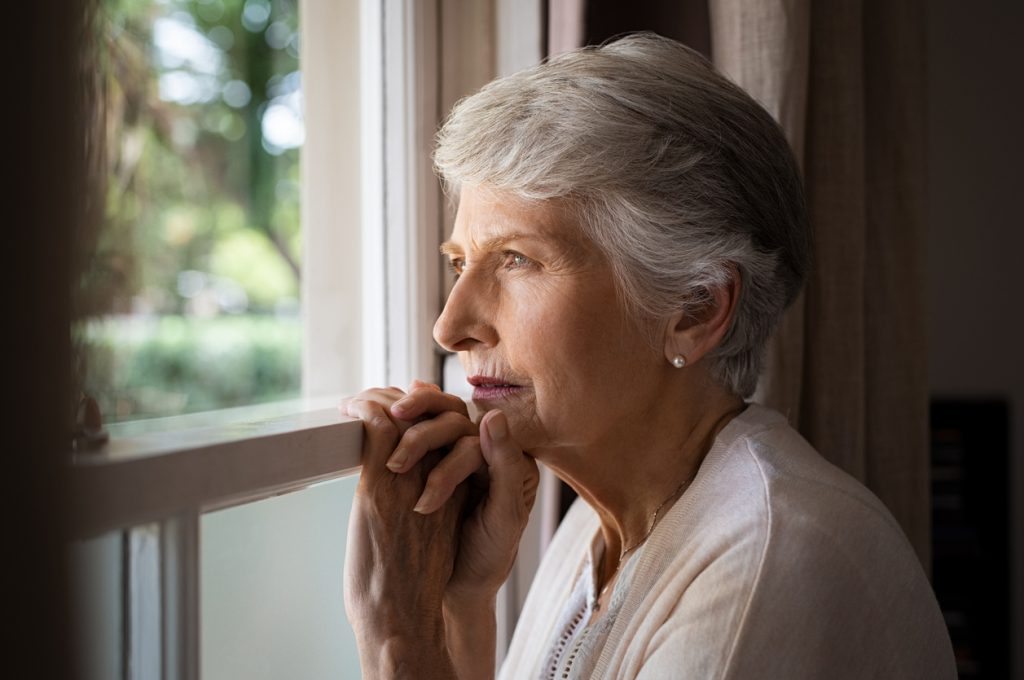
The Challenges of Staying Safe at Home
Most families want their loved one to remain at home for as long as possible. But home safety for older adults often requires constant adjustments, and even then, risks remain.
Common hazards include:
- Stairs without handrails
- Bathrooms without grab bars or non-slip flooring
- Dim lighting in hallways or entryways
- Loose cords, clutter, or throw rugs
- Living alone, where help may not arrive quickly
Even when modifications are made, older adults living alone face challenges. A fall in an empty house can mean hours before help arrives. And because life expectancy after a fall in elderly individuals can be reduced if it involves serious injuries, the stakes are high.
Why Senior Living Communities Are Safer
Senior living communities are designed with fall prevention in mind. That means safety isn’t an afterthought. Every hallway, living space, and routine has senior needs built right in.
You’ll often find features like one-level layouts to reduce stair risks, alongside slip-resistant flooring and secure carpeting. Even the lighting is carefully considered, offering bright and even illumination in all spaces that reduces the risk of falling among older adults. Perhaps most comforting of all, emergency call systems are readily available to bring help immediately should they need it.
In Baldwin County and throughout Alabama, communities like these combine the comfort of home with the assurance that safety has been thoughtfully prioritized.
Support Beyond the Physical Space
A safe environment matters, but support systems are just as important. In senior living, staff are present around the clock to provide:
- Medication management, reducing or mitigating the risks of side effects like dizziness
- Personalized care plans that adapt as mobility changes
- Quick response times to minimize the impact of fall-related injuries if one does occur
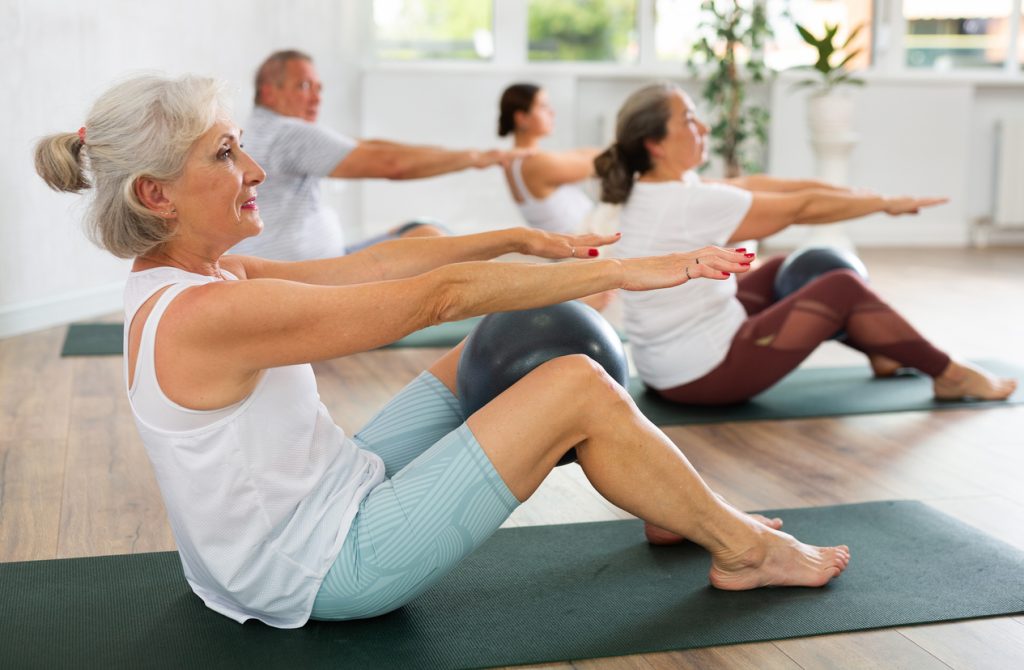
- Fall prevention exercise programs to improve strength and balance
These programs protect against falls, but they also restore confidence, helping older adults stay active without the same fear of injury.
Emotional Peace of Mind
The impact of falls isn’t just physical. Many older adults experience lasting anxiety after a fall, and families often live with constant worry. Senior living communities can ease this burden.
When an older adult lives at home, they and their families often fear what might happen. But in the right living environment, that question doesn’t have to be so frightening. What might happen if your loved one felt supported, safe, and free to explore new opportunities?
They might just get to experience a whole new chapter of independence.
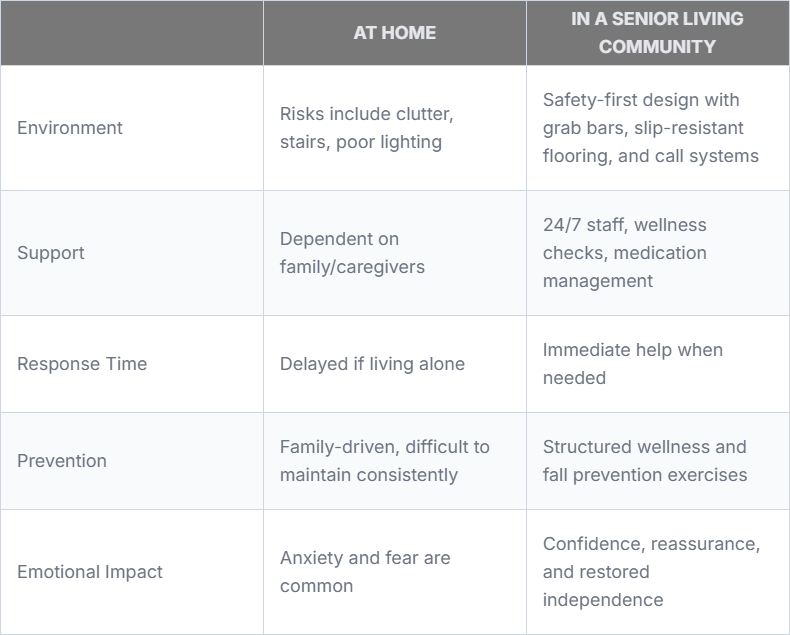
Home vs. Senior Living Safety: A Closer Look
Take the Next Step Toward Safety
If you’re worried about falls at home, you’re not alone. Families across Baldwin County and beyond face the same difficult questions: Is home still safe enough? How much longer can we manage?
At Community Senior Life, we believe you shouldn’t have to choose between safety and independence. Our communities are designed to reduce fall risks, support health and confidence, and provide peace of mind for families.
For those not ready for a permanent move, short-term stays can be a gentle way to experience the difference a supportive environment makes. For others, assisted living services offer the ongoing care and protection that help older adults thrive without the fear of falling.
___________________________________________________________________________________
Discover Peace of Mind with Our Senior Living Communities in Alabama
Falls can feel unpredictable, but the right environment can make all the difference. By surrounding your loved one with safety, support, and compassion, you can protect not just their health, but their independence and dignity, too.
With communities in Madison, Foley, Fairhope, and Gulf Shores, we’re ready to help Alabama families move forward with confidence. Explore our independent living, assisted living, and memory care communities or visit communityseniorlife.org for more information today.